Winter Heart Health: All You Need to Know
 Dr. Sreekanth Yerram
Table of Contents
- Why Does Heart Attack Risk Increase in Winter?
- Winter- Specific Risk Factors for Heart Health
- Early Warning Signs of Heart Problems
- Tips for Heart Patients During Winter
- How to Overcome Seasonal Affective Disorder (SAD)
- Final Thoughts
Winter is a festive and pleasant time of the year. Holidays line up, and you get in the spirit of the new year approaching. However, it is often accompanied by some unpleasant things as well, especially for the elderly or those with cardiac issues. Winter heart health is a major concern, as cold weather puts strain on the cardiovascular system. Older adults and people with pre-existing heart conditions face amplified risks, making proactive winter heart care especially urgent for them.
Understanding the Risks and importance of heart care during winter is essential.
Why Does Heart Attack Risk Increase in Winter?
Cold weather causes blood vessels to constrict, increasing blood pressure and forcing the heart to work harder. Blood becomes thicker and more prone to clot formation, raising the risk of heart attacks — particularly among elderly individuals and those with existing heart disease.
Winter- Specific Risk Factors for Heart Health
-
When the temperature falls, blood becomes thicker and stickier. This makes the blood more prone to clot formation, increasing the risk of a clot blocking a coronary artery. Blood vessel constriction also forces the heart to pump harder, putting extra pressure and strain on the heart.
-
Reduced physical activity and increased indoor time in winter lead to higher cholesterol and weaker cardiovascular fitness.
-
Dehydration is more likely in cold weather because people sweat less and are not thirsty, but the heart still needs to maintain circulation efficiently
-
Winter sees a rise in respiratory infections like the flu, pneumonia, and chronic obstructive pulmonary disorders (COPD), which create system-wide inflammation in your body. This added inflammation strains the heart and may increase the chance of plaque rupture, a known cause of heart attacks.
-
In many Indian cities, cold, still air traps pollutants close to the ground, leading to high levels of pollution in the form of smog and particulate matter. These small particles enter the blood, cause inflammation and worsen blood vessel damage
-
Low vitamin D levels are linked to high blood pressure and poor blood vessel function, both of which negatively affect heart health. With less sunlight available in winter, the body’s natural vitamin D production falls and may lead to blood circulation issues, which can impact the heart
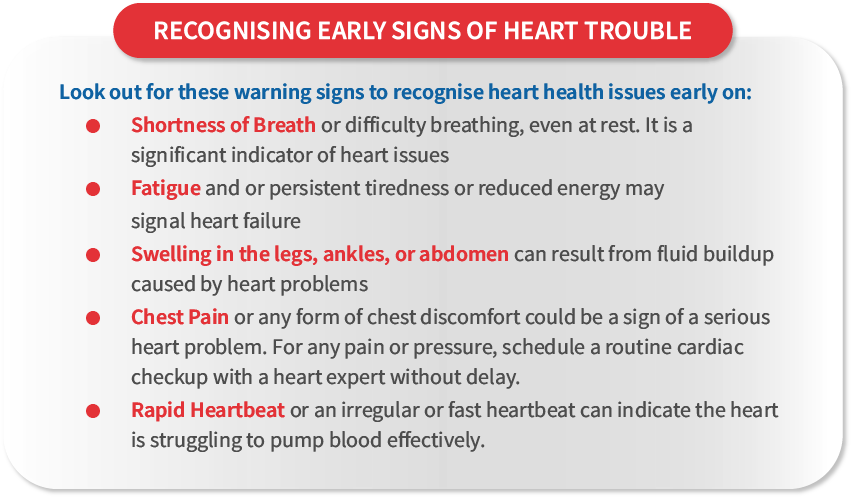
Early Warning Signs of Heart Problems
Tips for Heart Patients During Winter
The right precautions and care make all the difference for heart patients during winter. Here are some tips:
1. Keep your body warm:
This not only protects your heart but also prevents conditions like frostbite and hypothermia.
-
Dress warmly and layer up with light yet insulating clothing, such as cotton or wool. Use shawls or scarves to cover your chest and neck.
-
Avoid tight clothing that may restrict circulation and cause strain to your heart.
-
If venturing out very early or late, when the temperature drops sharply, cover your neck and head with warm clothes.
2. Stay active safely:
Exercise is crucial for heart health, but winter conditions demand modifications:
-
Choose morning/evening walks after/before sunrise to avoid chilly temperatures for exercise.
-
Engage in indoor exercises such as yoga or light aerobics, especially when mornings are too cold.
-
Avoid overexertion during outdoor activities like gardening or carrying heavy loads.
-
Listen to your body and rest if you experience chest pain, shortness of breath, or unusual fatigue.
-
Avoid sudden temperature changes, like moving from a warm room to the cold outdoors, which can shock your body.
Staying active improves circulation and supports overall cardiovascular function. If done mindfully, it ensures effective heart care in winter.
3. Opt for a winter-specific diet
Diet is as important as physical activity when it comes to heart health:
-
Maintain a Heart-Healthy Diet: A balanced diet provides the nutrients needed to maintain energy levels and cardiovascular health during the colder months. Winter cravings often lean toward heavy, comfort foods that may not be beneficial for heart health.
-
Consume seasonal fruits, which are rich in antioxidants like oranges, guavas, and pomegranates. Incorporate heart-friendly foods such as nuts, seeds, and omega-3-rich fish.
-
Limit salty and sugary snacks to manage blood pressure and cholesterol.
-
Avoid excessive tea, coffee or alcohol because they can act as diuretics.
4. Stay Hydrated
Proper hydration helps maintain optimal blood volume and supports the heart’s ability to pump efficiently. While thirst tends to decrease in colder months, dehydration can still occur.
-
It is essential to drink water throughout the day, even if you do not feel thirsty.
-
Stay hydrated with warm soups or herbal teas instead of sugary beverages.
-
Include hydrating options like coconut water or fresh juices.
How to Overcome Seasonal Affective Disorder (SAD)
Winter can be gloomy and cause emotional distress as well. To avoid this,
-
Spend time outdoors during sunny hours to soak in natural light.
-
Practice relaxation techniques such as mindfulness or meditation.
-
Engage in light-hearted activities with family and friends to boost mental health.
Final Thoughts
With these tips in mind, enjoy the pleasures of winter without the pains and problems. Winter does not have to be risky for heart patients. With awareness, lifestyle adjustments and timely medical care, you can keep your heart safe and healthy throughout the winter months. Managing mental health is crucial, as stress and depression can compound heart conditions. In case problems arise despite the care, head to the nearest cardiac facility.
Stay connected with the best cardiology department in Hyderabad, at STAR Hospitals, for holistic care and 24/7 emergency services.