How Mechanical Thrombectomy Helps Treat Acute Ischemic Stroke
 Dr. Syed Osman
Table of Contents
- What is an Ischemic Stroke?
- What is a Thrombectomy?
- Common Areas Affected by Blood Clots
- When is Mechanical Thrombectomy Needed?
- What are the benefits of Mechanical Thrombectomy?
- What are the risks of a Thrombectomy?
- Importance of Early Stroke and Clot Treatment
What is an Ischemic Stroke?
An ischemic stroke occurs when a blood clot blocks an artery supplying blood to the brain, reducing the flow of oxygen and nutrients to brain tissue. Without sufficient blood supply, brain cells begin to malfunction and can eventually become permanently damaged or die.
What is a Thrombectomy?
Mechanical thrombectomy is an advanced minimally invasive procedure performed by an interventional radiologist to remove blood clots blocking blood flow in the brain, using specialised precision instruments and catheters.
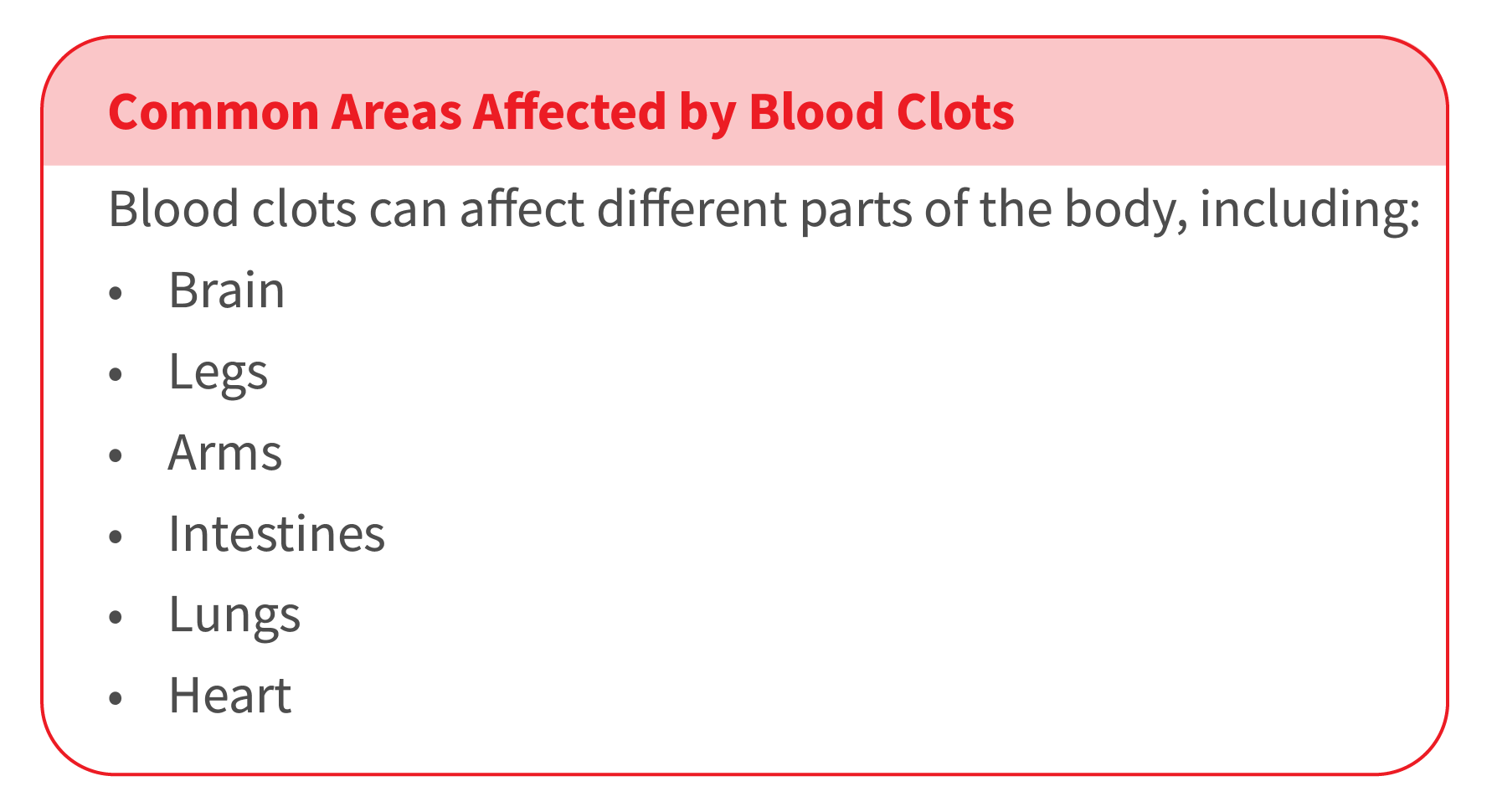
A thrombectomy is commonly performed during conditions such as acute ischemic stroke, where restoring blood flow quickly is critical. In General, the procedure also helps to restore blood circulation to vital organs such as the brain, heart, lungs, intestines, kidneys, and limbs.
When performed promptly, mechanical thrombectomy can significantly reduce the risk of death and permanent disability by restoring normal blood flow.
The blocked blood vessel is opened by removing the clot using:
● Stent retrievers
● Aspiration catheters
● Or a combination of both techniques
Common Areas Affected by Blood Clots
When is Mechanical Thrombectomy Needed?
Mechanical thrombectomy may be recommended when blood clots block the larger blood vessels of the brain and cannot be effectively treated with medications such as clot-busting injections and blood thinners. Untreated blood clots cause continued blockage of the blood supply to the brain and increase the risk of:
● Stroke
● Severe disability
● Death
The procedure helps minimize complications by restoring blood flow as quickly as possible.
What Happens During a Mechanical Thrombectomy?
The procedure may vary depending on the location and severity of the blood clot. The surgery may last for an hour or longer.
Anaesthesia or Sedation:
General anaesthesia or sedation is administered to help the patient remain comfortable during the procedure.
Catheterization: In minimally invasive thrombectomy procedures, the doctor inserts wires and catheters into the blood vessel through a small puncture, usually in the arm or leg. Imaging guidance helps navigate the devices to the location of the clot in the brain.
Clot Removal: Specialized devices are used to:
● Break the clot
● Remove the clot
● Dissolve the clot
● Aspirate the clot through suction devices
Closure: Once the procedure is completed, the catheter is removed, and the blood vessel access site is sealed using pressure or vascular closure devices.
What are the benefits of Mechanical Thrombectomy?
When performed at the right time, mechanical thrombectomy can significantly improve outcomes in patients:
● Restore blood flow quickly
● Reduce brain injury
● Improve chances of recovery
● Lower long-term disability in some cases
What are the risks of a Thrombectomy?
While these complications are less common but can be serious, they are generally outweighed by the significantly improved functional outcomes and reduced mortality.
Complications include :
- Intracranial Hemorrhage (Brain Bleeding): occurs in approximately 5% of patients, which can cause death or increased disability.
- Vascular Injury: The catheter or retrieval device can cause vessel dissection (tearing), vasospasm (narrowing), or perforation, causing bleeding.
- Embolism to New Territory: The procedure can cause the clot to break apart, sending pieces to a new, previously unaffected area of the brain.
- Groin/Access Site Issues: Complications at the insertion point, such as hematomas (severe bruising) or infection.
- Reocclusion: The vessel may re-block after the clot is removed
- Reaction to Anesthesia: General anesthesia or sedation risks.
When To Contact a Doctor After the Procedure?
Seek immediate medical attention if you experience:
After a mechanical thrombectomy for an ischemic stroke, you must seek medical care immediately if you notice any new or worsening neurological symptoms of stroke, severe headache, signs of bleeding or infection at the groin insertion site, or symptoms of a blood clot in the leg or lungs.
Importance of Early Stroke and Clot Treatment
Early diagnosis and immediate treatment are critical in reducing complications associated with blood clots and stroke. Seeking medical attention at the earliest sign of symptoms can significantly improve outcomes and recovery.
Advanced Stroke and Mechanical Thrombectomy Management at STAR Hospitals, Nanakramguda. Dr. Syed Osman, an experienced neurologist associated with STAR Hospitals, Nanakramguda, specialising in the treatment of stroke, dementia, headache, vertigo, and epilepsy, is a neurocritical care specialist. With advanced neuro-interventional expertise, patient-focused care, and modern treatment infrastructure, STAR Hospitals offers comprehensive care for acute stroke management and mechanical thrombectomy procedures.