When Your Hands Won’t Stay Still: Understanding Tremors and Other Movement Disorders
 Dr. Dushyanth Jasti
Have you ever noticed your hands shaking while holding a cup of tea, signing a document, or using your phone? A slight tremor once in a while may not seem concerning, but when shaking becomes frequent, noticeable, or begins affecting daily activities, it may be time to pay attention.
Many people assume that tremors are simply a sign of ageing or nervousness. In reality, persistent shaking can be linked to a variety of neurological conditions known as movement disorders. Understanding what causes these symptoms is the first step toward getting the right care and treatment.
Understanding Trigger: Resting vs. Action Tremors
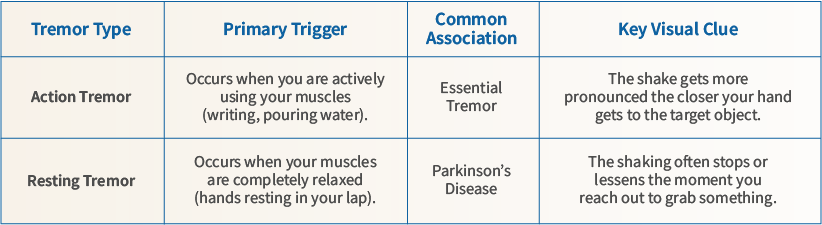
In the medical world, these involuntary, rhythmic shakes are called tremors. They can affect your hands, arms, voice, or even your legs. To figure out what's causing one, the most important question a doctor will ask is: When exactly does the shaking happen?
1. Essential Tremor (ET)
Despite the complex name, this is simply the most common movement disorder out there. It’s an action tremor that frequently runs in families. If your hands shake slightly while holding a spoon or buttoning a shirt, but stop completely when your arms are resting by your side, it’s highly likely to be an essential tremor. While it isn't life-threatening, it can certainly be frustrating and affect your everyday activities.
2. Parkinson’s Disease
This is the classic cause of a resting tremor. However, a tremor is rarely the only sign of Parkinson's. It usually presents alongside a cluster of other physical changes, such as a general stiffness in the limbs, a slower walking pace, balance issues, or your handwriting suddenly becoming much smaller and cramped. In the case of Parkinson’s disease, early diagnosis can make a significant difference in managing symptoms and maintaining quality of life.
3. Daily Stress Response
Your body's fight-or-flight system is incredibly powerful. Intense anxiety, chronic lack of sleep, or a massive spike in adrenaline can cause anyone's hands to wobble. Similarly, overdoing it on caffeine or experiencing a side effect from common medications (like certain asthma inhalers or antidepressants) can make your nervous system hyperactive. These tremors often improve once the underlying stress is addressed, but persistent symptoms should still be evaluated by a healthcare professional.
4. Overactive Thyroid (Hyperthyroidism)
When your thyroid gland goes into overdrive, it speeds up your entire metabolism. This can cause your heart to race, lead to unexpected weight loss, and cause a fine, rapid shaking in your outstretched hands. In such cases, treating the thyroid condition often helps reduce the shaking.
5. Medication Side Effects
Certain medications, including some asthma treatments, antidepressants, and stimulants, may cause tremors as a side effect. Excessive caffeine consumption can also contribute to shakiness in some individuals. A medical review can help determine whether medications or lifestyle factors are playing a role.
6. Other Neurological Conditions
Tremors can also occur in association with stroke, multiple sclerosis, traumatic brain injury, and other neurological disorders. Depending on the condition, patients may experience additional symptoms such as weakness, coordination problems, or changes in speech and balance.
What Are Movement Disorders?
Tremors are actually just one piece of a broader neurological category called movement disorders. The brain uses a complex network of pathways to keep our physical motions smooth and coordinated. When those pathways experience static, it can alter how quickly or smoothly we move. Outside of standard tremors, this category includes conditions like:
Dystonia: Where muscles contract involuntarily, forcing a part of the body into an awkward or twisting posture.
Ataxia: A neurological disconnect that causes a clumsy, uncoordinated lack of balance—similar to trying to walk on a moving boat.
Tics: Sudden, repetitive movements or sounds that are incredibly difficult to control, often associated with Tourette syndrome.
When Should You See a Doctor?
Occasional shaking after too much coffee or a stressful day is usually not a cause for concern. However, you should seek medical advice if:
- The shaking started suddenly out of nowhere.
- The shaking is steadily getting worse over weeks or months.
- It is actively getting in the way of your work, hobbies, or self-care.
- You feel physically stiff, find it harder to get out of a chair, or feel unsteady on your feet.
A neurologist can assess your symptoms through a detailed medical history, physical examination, and, when necessary, specialised tests to identify the underlying cause.
Finding the Right Treatment
Treatment for movement disorders depends on what your diagnosis is and how severe your symptoms are. These could include medications, lifestyle modifications, physical therapy, occupational therapy, or advanced neurological interventions in selected cases. The key is recognising that tremors are not simply something to "live with." Many movement disorders can be effectively managed, especially when diagnosed early.
Expert Neurological Care at STAR Hospitals
If you are experiencing persistent shaking, difficulty with movement, balance issues, or other neurological symptoms, do not just accept it as normal. Seeking timely Medical evaluation is important. At STAR Hospitals, the Department of Neurology offers comprehensive diagnosis and treatment for tremors, Parkinson's disease, movement disorders, stroke, epilepsy, and other neurological conditions. With experienced specialists, advanced diagnostic facilities, and patient-centred care, STAR Hospitals helps individuals regain confidence, independence, and a better quality of life through personalised neurological treatment.