A Guide to Recognizing and Treating Life-Threatening GI Emergencies
 Dr. Giridhar Reddy B
Table of Contents
- Understanding Gastrointestinal Emergencies
- Modern Management of Upper GI Bleeding
- Why Early Medical Attention Matters
- Advanced Gastrointestinal Care at STAR Hospitals
The digestive system plays a vital role in maintaining overall health. From breaking down food and absorbing nutrients to removing waste from the body, every part of the gastrointestinal (GI) tract works together to support normal body functions. Because the digestive system is connected to so many essential functions, even a sudden disturbance can quickly become serious. Certain gastrointestinal conditions develop without warning and may require immediate medical attention to prevent complications.
Understanding the warning signs and knowing when to seek urgent treatment can make a major difference in patient outcomes.
Understanding Gastrointestinal Emergencies
GI emergencies are sudden digestive system disorders that require prompt medical care. These conditions may involve bleeding, infection, inflammation, obstruction, or perforation within the gastrointestinal tract.
Symptoms can range from severe abdominal pain and vomiting to internal bleeding and dehydration. Early diagnosis and timely treatment are essential to prevent complications.
Common Gastrointestinal Emergencies
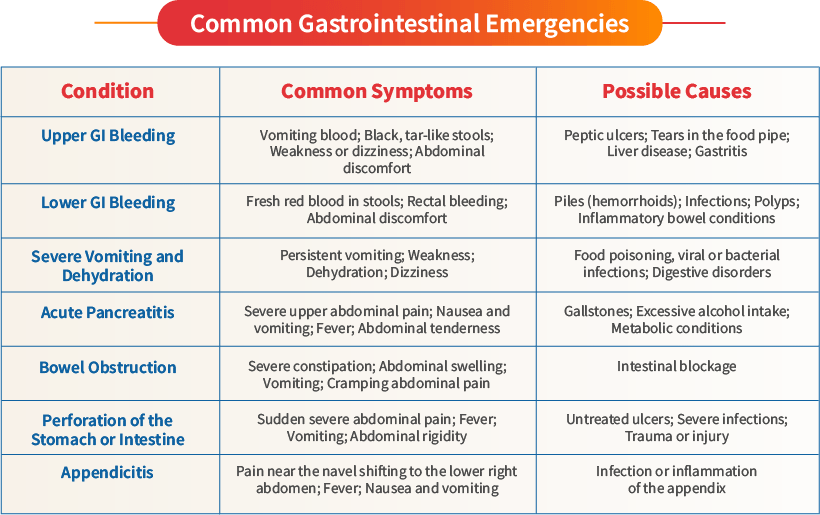
Modern Management of Upper GI Bleeding
The treatment of upper GI bleeding has changed considerably over the years. Modern management is now faster, more precise, and far less invasive than traditional approaches.
Current treatment focuses on:
-
Early stabilization of the patient
-
Rapid diagnosis
-
Risk assessment
-
Timely endoscopy
-
Targeted medication therapy
Endoscopy has become one of the most important tools in managing upper GI bleeding as it helps diagnose and control bleeding without the need for major surgery in many patients.
Why Early Medical Attention Matters
Many gastrointestinal emergencies worsen rapidly if ignored. Seeking early treatment can:
-
Prevent serious complications
-
Reduce the need for major surgery
-
Lower hospital stay duration
-
Improve recovery outcomes
-
Reduce treatment costs in some cases
Awareness is especially important because digestive emergencies can occur suddenly and in people of all age groups.
Advanced Gastrointestinal Care at STAR Hospitals
At STAR Hospitals, the Gastroenterology Department focuses on advanced diagnosis, emergency management, and minimally invasive treatment for a wide range of digestive disorders and GI emergencies. With experienced specialists, advanced endoscopy facilities, modern critical care support, and patient-focused treatment protocols, the department is equipped to manage conditions such as GI bleeding, pancreatitis, bowel disorders, liver diseases, and other complex gastrointestinal emergencies.