Heart Transplant in Hyderabad: A New Lease of Life with the Best Cardiac Care
 Dr. Suresh Yerra
Table of Contents
- What is a Heart Transplant?
- Conditions Required For Heart Transplant
- Who May Not Be Eligible for a Heart Transplant?
- Finding a donor Heart
- Before Heart Transplant Surgery
- Risks of Heart Transplant
- Life After a Heart Transplant
- Survival and Outcomes after Heart Transplant
- Advanced Heart Transplant Care at STAR Hospitals
What is a Heart Transplant?
A heart transplant is a gold-standard surgical procedure performed for patients with advanced heart failure or severe heart disease when other treatment options are no longer effective. The procedure involves replacing a diseased or failing heart with a healthy donor heart to restore cardiac function improve quality of life & long-term survival.
For many patients and their families, the prospect of a heart transplant can feel overwhelming. However, advances in cardiac surgery, transplant medicine, and post-operative care have significantly improved outcomes, offering eligible patients renewed hope and a chance for longer, healthier lives.
A heart transplant is not simply the replacement of an organ; it is a complex, carefully coordinated medical procedure aimed at helping patients regain heart function, improve survival, and return to everyday activities with better overall health.
Conditions Required For Heart Transplant
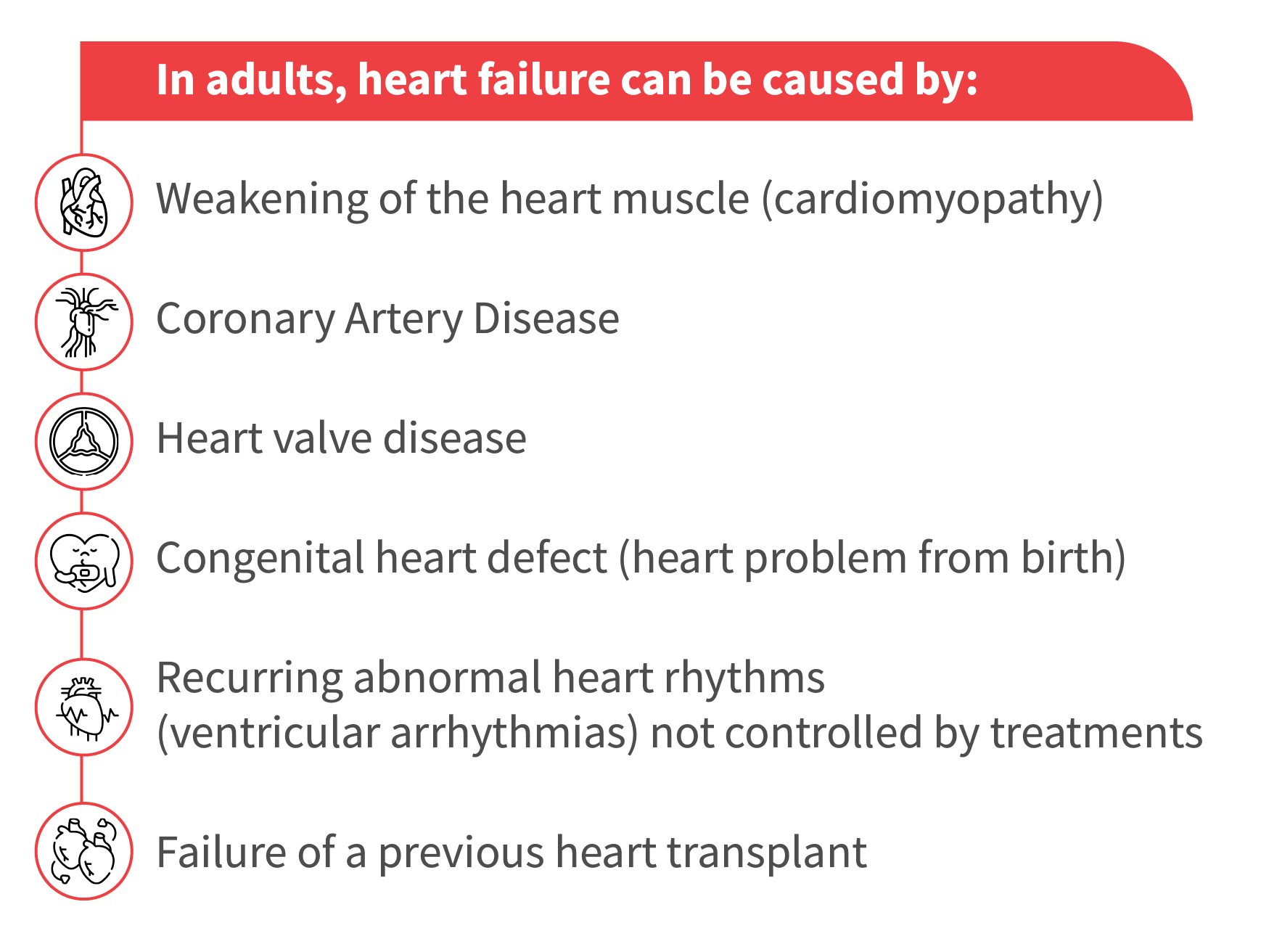
Heart transplants are performed when other treatments for heart problems have been ineffective, leading to advanced heart failure. In adults, heart failure can be caused by:
Who May Not Be Eligible for a Heart Transplant?
There may be certain situations where a person may not be eligible for a heart transplant. Factors that can affect eligibility include:
-
Active infections that may increase the risk of complications after surgery
-
Inability to follow long-term precautions and post-transplant care recommendations.
-
Morbid obesity (medically known as Class III obesity), BMI 49 or higher
-
Un controlled Diabetes
-
Active cancer or a significant history of cancer.
-
Any serious health conditions that may reduce years of life, even after transplantation.
The transplant team carefully evaluates every patient before recommending heart transplant surgery.
Finding a donor Heart
Eligible patients are placed on a organ transplant waiting list managed by organisation such as Jeevandhan Telangana State and NOTTO India. Finding a donor depends on many factors such as body size, blood type and the severity of the patient’s condition. Early registration increases the chances of finding a suitable donor.
While a person is on the waiting list, the medical team will:
-
Monitor heart and other organs regularly and adjust treatment as necessary.
-
Provide advanced support options if required.
-
Educate patients on maintaining their health through proper nutrition and physical activity
If medical therapy fails to support vital organs while waiting for a donor heart, the doctors may recommend IV inotropic therapy or for suitable pateints or a Ventricular Assist Device (VAD). These devices help support heart function temporarily and are often referred to as a “bridge to transplantation” until a donor heart becomes available.
Before Heart Transplant Surgery
The transplant center will notify the patient when a potential donor heart becomes available.
Once notified, the patient and transplant team have a limited time to proceed with the transplant process. Patients are advised to travel to the transplant hospital immediately after receiving the call.
Preparing travel arrangements in advance can help avoid delays. Patients are also advised to keep essential belongings and medications ready for hospitalization.
Once at the hospital, the transplant team conducts a final evaluation to confirm donor compatibility and determine whether the patient is ready for surgery. In some situations, the donor heart or surgery may not be suitable, and the transplant may need to be postponed.
Risks of Heart Transplant
Rejection of the donor heart: One of the most worrying risks after a heart transplant is your body rejecting the donor heart. Rejection often occurs with symptoms. To monitor for rejection, patients have to undergo heart biopsies during the first year after transplantation frequently. Over time, the frequency of these tests usually decreases.
Infection Risk: Immunosuppressant medications reduce the body’s ability to fight infections. Many transplant patients may require hospitalization for infection management during the first year after transplantation.
Medication Side Effects: Immunosuppressant medications, which are necessary after transplant surgery, may cause side effects such as kidney damage and other long-term health complications.
Life After a Heart Transplant
Although heart transplantation carries risks- advances in surgical expertise, transplant care, long-term care and cardiac rehabilitation have significantly improved patient outcomes.
With proper medical care, lifestyle modifications, regular follow-ups, and adherence to medications, many heart transplant patients can return to their daily activities, experience improved quality of life & also resume their work
Survival and Outcomes after Heart Transplant
-
1 Year Survival: >90%
-
5 Year Survival: Approximately 72.5% to 86%
-
Average Survival: Approximately 12–13 years, with many patients living 20 years or longer, providing significant improvements in both quantity and quality of life.
-
Mortality Phases: Risk is highest in the first week to month (procedural), followed by a steady 3–4% annual mortality rate (mostly due to rejection or infection).
Advanced Heart Transplant Care at STAR Hospitals
Dr Suresh YerraDr. Suresh Yerrais an advanced Heart Failure & Transplant Cardiologist with STAR Hospitals, specializing in heart transplants and LVADs. He provides personalised and advanced cardiac care focused on improving patient outcomes and long-term heart health.
At STAR Hospitals, patients benefit from state-of-the-art infrastructure, experienced cardiac specialists, advanced transplant support systems, and comprehensive patient-centered care for complex cardiac conditions.