Autoimmune Liver Disease: Symptoms, Diagnosis, Treatment & Prevention of Liver Failure
 Dr. Ramu Chimakurthi
Table of Contents
- What Are Autoimmune Liver Diseases?
- Why Early Diagnosis Is Challenging
- How Autoimmune Liver Diseases Are Diagnosed
- Treatment Options for Autoimmune Liver Diseases
- When Is Liver Transplantation Needed?
- The Importance of Early Intervention
The liver plays a vital role in maintaining overall health by processing nutrients, filtering toxins, and supporting digestion. However, certain autoimmune conditions can silently damage the liver over time, often without obvious symptoms in the early stages. When left undiagnosed, these diseases can progress to cirrhosis, liver failure, and the need for liver transplantation.
Early recognition and timely specialist care are essential for improving outcomes and preserving liver function.
What Are Autoimmune Liver Diseases?
Autoimmune liver diseases occur when the body's immune system mistakenly attacks healthy liver tissue or bile ducts. This ongoing immune-mediated inflammation can gradually damage the liver and impair its ability to function normally.
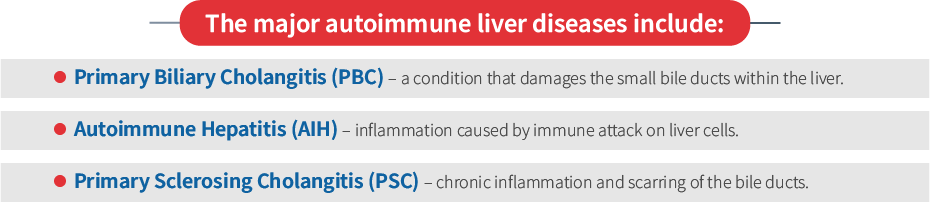
Although these conditions are relatively uncommon, they are increasingly being recognized worldwide, including in India.
Why Early Diagnosis Is Challenging
One of the biggest challenges in managing autoimmune liver diseases is that symptoms often develop gradually and may be mistaken for common health issues.
Early symptoms can include:
- Persistent fatigue
- Itching (pruritus)
- Mild jaundice (yellowing of the skin and eyes)
- Dry eyes or dry mouth
- Abdominal discomfort
- Unexplained weakness
Because these symptoms are often non-specific, many patients experience delays in diagnosis until significant liver damage has already occurred.
How Autoimmune Liver Diseases Are Diagnosed
Accurate diagnosis requires a combination of clinical evaluation, laboratory testing, and imaging studies. Common diagnostic approaches include:
- Liver function tests
- Autoimmune antibody testing
- Ultrasound and advanced liver imaging
- Fibrosis assessment
- Liver biopsy in selected cases
Specialised hepatology evaluation is often necessary to identify these conditions at an early stage and determine the most appropriate treatment plan.
Treatment Options for Autoimmune Liver Diseases
Treatment depends on the specific autoimmune liver disease, disease severity, and the extent of liver damage. Management may include:
- Disease-modifying medications
- Symptom control therapies
- Regular monitoring of liver function
- Nutritional and lifestyle support
- Management of complications such as fluid retention or portal hypertension
When diagnosed early, many patients can achieve long-term disease control and maintain a good quality of life.
When Is Liver Transplantation Needed?
In advanced cases where extensive liver damage has occurred, medical treatment alone may no longer be sufficient. Liver transplantation may be recommended for patients who develop:
- End-stage liver disease
- Decompensated cirrhosis
- Severe portal hypertension
- Progressive liver failure despite treatment
Living donor liver transplantation offers a timely and effective treatment option, particularly when performed at experienced transplant centres. Outcomes following liver transplantation for autoimmune liver diseases are generally excellent, with five-year survival rates exceeding 80% in specialised centres.
The Importance of Early Intervention
According to Dr. Ramu Chimakurthi, Senior Consultant – Hepatology, STAR Hospitals, Hyderabad, early detection remains the most important factor in preventing irreversible liver damage. Recognising symptoms such as fatigue, itching, and jaundice and seeking timely medical evaluation can lead to:
- Earlier diagnosis
- Prompt initiation of treatment
- Prevention of disease progression
- Better management of complications
- Improved survival and quality of life
Takeaway
Autoimmune liver diseases are often silent in their early stages but can lead to serious complications if left untreated. Greater awareness, timely specialist evaluation, and access to advanced hepatology care are critical for improving outcomes.
If symptoms such as persistent fatigue, unexplained itching, or jaundice occur, early consultation with a liver specialist can make a significant difference in long-term liver health.