Life after Liver Transplant: Everything You Need to Know
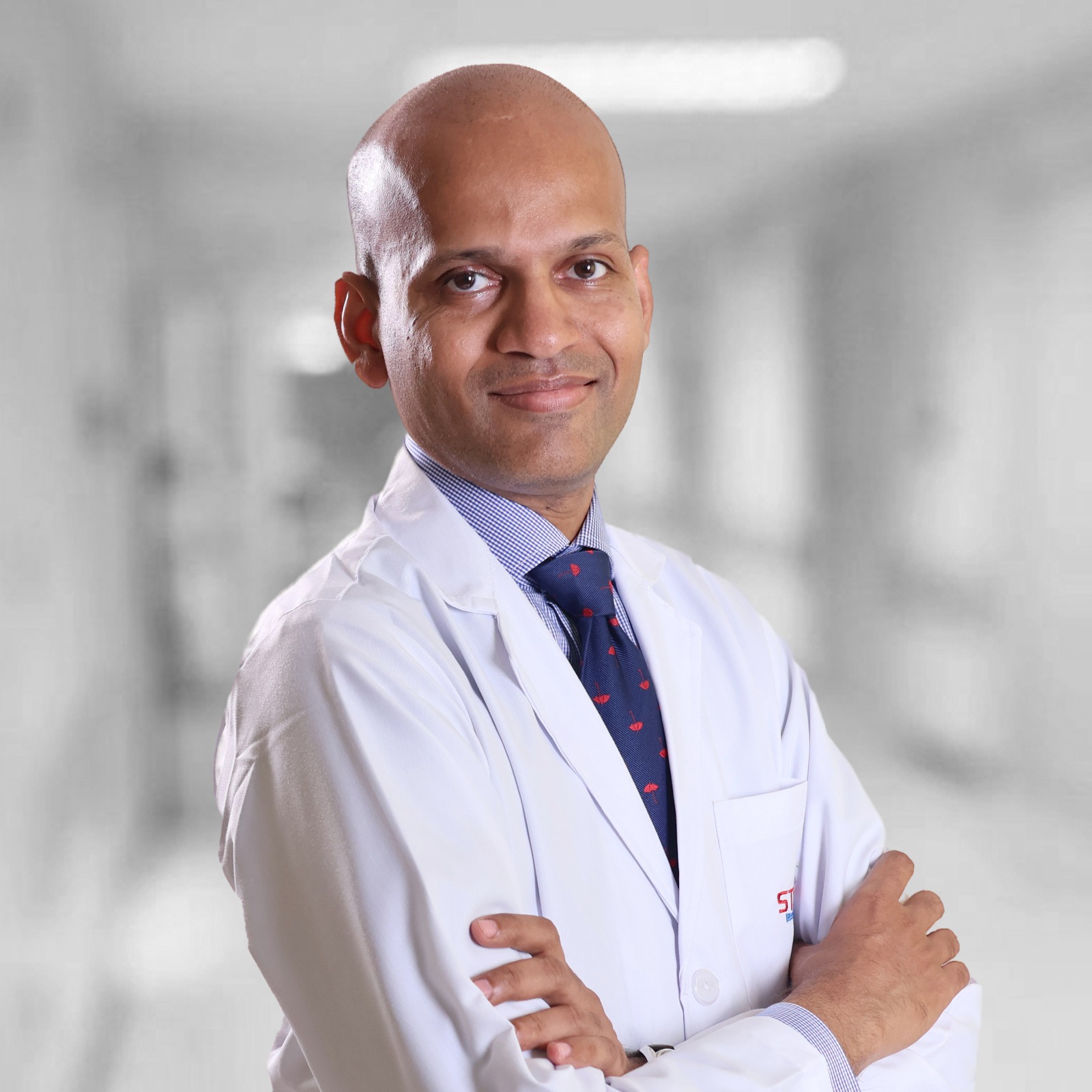 Dr. Ramu Chimakurthi
Table of Contents
- What to Expect After Liver Transplant
- Important Things to Keep in Mind
- Lifestyle Changes After Liver Transplant
- The Importance of Medication in Liver Transplant
- The Importance of Hygiene After Liver Transplant
- Emotional Recovery and Mental Health Support
- Liver Transplant in Hyderabad
For people suffering from severe liver disease, a transplant can restore health, energy, and hope. While the surgery itself is a major milestone, the real journey begins afterwards - learning how to live a healthier, balanced life with a transplanted liver.
A liver transplant is a major surgery, and recovery takes time. Hospital stay can last from several days to a few weeks, depending on the patient’s condition, so that doctors can closely monitor the new liver and its functioning.
What to Expect After Liver Transplant
In the initial days, patients are usually kept under close observation in the intensive care unit before moving to a recovery ward. Regular blood tests and follow-up evaluations help doctors ensure that the new liver is functioning properly and that there are no early signs of complications.
During the first few weeks after a liver transplant, patients may experience:
-
Fatigue and weakness
-
Mild pain or discomfort around the surgical area
-
Changes in appetite
-
Emotional ups and downs
Gradually, as strength and appetite improve, patients often begin to feel better than they did even before the transplant. Many are eventually able to return to work, travel, hobbies, and social activities. Recovery, however, differs from person to person. While some regain strength quickly, others may need several months before they feel fully comfortable returning to their routine.
Important Things to Keep in Mind
A transplanted liver needs proper care. Doctors usually recommend:
-
Medication management: Sticking to your medication routine to prevent rejection
-
Physical recovery: Regaining strength and stamina after the surgery
-
Emotional and mental health: Coping with feelings of anxiety, fear, or depression
-
Diet and nutrition: Adjusting to a balanced diet that supports liver function
-
Lifestyle adjustments: Making changes to avoid infections and other risks
Lifestyle Changes After Liver Transplant
Connect with a nutritionist on a healthy diet and the dos and don’ts of food. The key is to eat a balanced and nutritious diet. Doctors often recommend a diet low in excess salt, sugar, and unhealthy fats, while encouraging fresh fruits, vegetables, whole grains, and lean proteins.
Along with this, also
-
Drink plenty of water
-
Avoid alcohol completely
-
Maintain a healthy weight
-
Exercising regularly with medical guidance
Gentle physical activity can begin with walking and gradually progress to more structured exercise once approved by the transplant team. Nutrition and physical activity are important parts of long-term recovery.
The Importance of Medication in Liver Transplant
One of the most important aspects of life after a liver transplant is taking medicines regularly. These medicines, called immunosuppressants, help prevent the body from rejecting the new liver. Missing doses can be dangerous. Since the immune system naturally identifies the transplanted liver as foreign, these medicines play a lifelong role in protecting the organ.
Doctors may also advise patients to maintain a medication schedule or use reminders to avoid missing doses, especially during the first year after transplant when monitoring is more intensive.
The Importance of Hygiene After Liver Transplant
Since anti-rejection medicines lower immunity, transplant recipients are more prone to infections. Good hygiene becomes very important for protecting against infections.
-
Wash your hands frequently
-
Avoid close contact with sick individuals
-
Eat freshly cooked food
-
Stay updated with doctor-recommended vaccinations
Patients are also usually advised to avoid raw or undercooked food during the recovery phase and to follow food-safety precautions carefully.
Emotional Recovery and Mental Health Support
A transplant affects not just the body, but also the mind. Many patients experience anxiety, fear, gratitude, or even guilt. Some worry about rejection, infections, or returning to normal life.
-
Support from family, friends, doctors, and counselling groups can make a big difference. Emotional healing is an important part of recovery.
-
Most patients gradually return to work, travel, hobbies, and social activities and can lead active and fulfilling lives after transplant.
-
Patience is important. Recovery is different for everyone. Some regain strength quickly, while others need several months.
Many transplant specialists today emphasise that mental and emotional well-being is just as important as physical recovery. Patients who stay connected with their doctors, support groups, and loved ones often cope better with the changes that come after surgery.
Liver Transplant in Hyderabad
There are many healthcare centres in Hyderabad equipped to manage liver disease and transplant care. It is always advisable to research a hospital or clinic well in advance and understand its facilities, specialists, transplant protocols, and long-term follow-up support before proceeding with surgery.
Among the established centres in the city is STAR Hospitals, Hyderabad, with branches in Banjara Hills and Nanakramguda. The hospital’s liver transplant and hepatology services focus not only on advanced surgical care, but also on post-transplant monitoring, nutritional guidance, infection prevention, and long-term patient support. With multidisciplinary specialists, critical care support, and modern infrastructure, centres with dedicated transplant departments can play an important role in helping patients transition safely back to everyday life after transplant surgery.