Hope in Small Hearts: International Childhood Cancer Day
 Dr. Sindhura Durga Chitikela
Table of Contents
- Cancer in Childhood: The Facts
- Why This Day Matters
- What Families Should Know: Spotting the Clues
- Care for Children’s Cancer
- How You Can Be Part of the Change
- Star Hospitals Stands with Every Struggling Family
Every year on 15 February, people around the world pause to recognise International Childhood Cancer Day. It is not fear but hope, clarity, and togetherness that are highlighted for families facing the most difficult journey life can offer. This day reminds us that when we understand better, care better, and act together, we reshape outcomes for children and adolescents with cancer.
Cancer in Childhood: The Facts
Cancer does not spare the young. Each year, more than 400 000 children and teenagers under the age of 20 are diagnosed with cancer worldwide. These numbers include very young infants, toddlers, school-aged children, and adolescents.
In children, the disease behaves differently from adults. Childhood cancers often arise from changes in DNA within cells, not from lifestyle or environmental factors. Most children’s cancers have no known preventable cause, which is why recognising symptoms early and accessing specialised care matters so much.
Unlike adult cancers, which doctors sometimes catch through routine screening, childhood cancers are usually found when a child has symptoms that don’t go away or don’t fit a common illness pattern. With prompt, expert care, many childhood cancers — especially leukaemias and most solid tumours are treatable.
Why This Day Matters
International Childhood Cancer Day isn’t just a date on the calendar. It is a call to:
-
Understand the burden of childhood cancer
-
Share reliable information about warning signs and treatment
-
Support families with compassion and practical help
-
Advocate for access to care wherever a child lives
In wealthy regions with comprehensive healthcare, more than 80 % of children with cancer survive with current treatments. That success is built on decades of research, collaboration and investment in paediatric oncology. Yet in many low-resource settings, survival can fall below 30 %, often because of delayed diagnosis or obstacles to treatment.
The global health community, including WHO and partners, has set an ambitious goal: ensure at least 60 % survival for children with cancer worldwide by 2030 through better data, access to medicines, and improved care systems.
What Families Should Know: Spotting the Clues
Children with cancer may feel tired or have symptoms that look like everyday childhood ailments. But when signs persist, escalate, or don’t match common patterns, it’s worth checking with a healthcare provider.
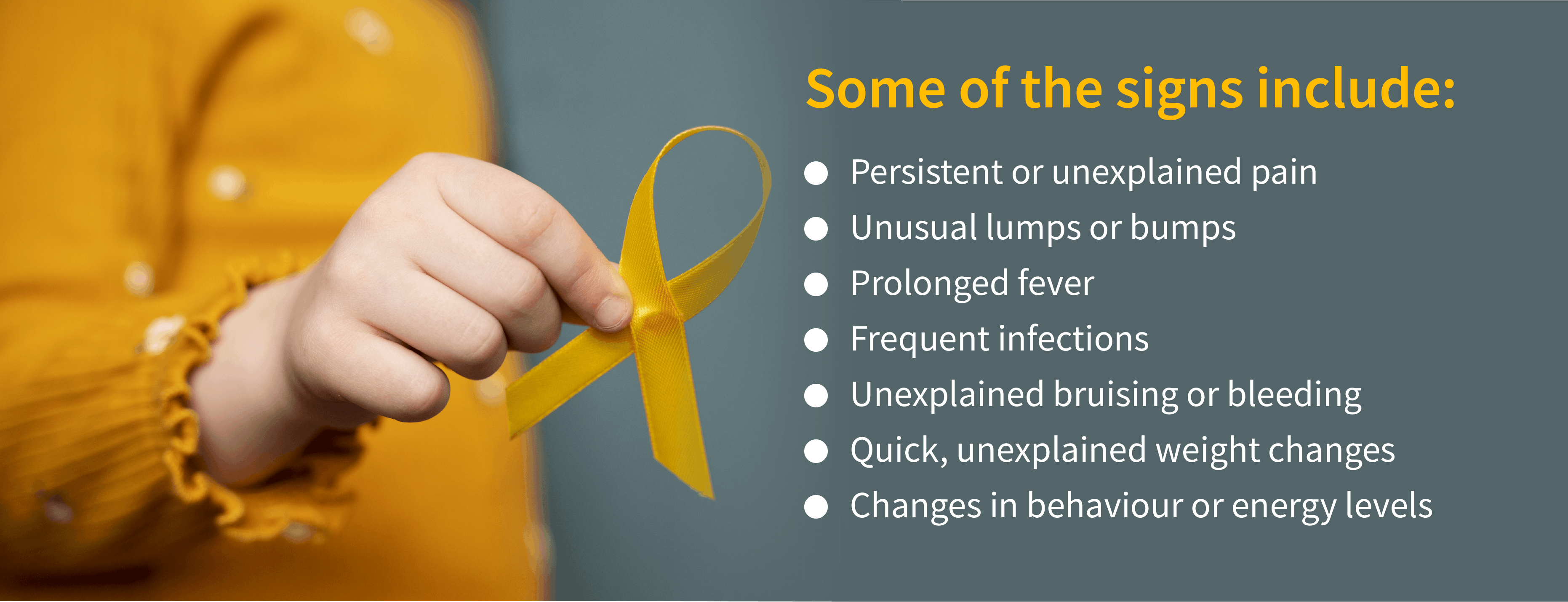
If caregivers notice these kinds of concerns for weeks at a time, talking with a paediatrician or a cancer specialist early can make all the difference. Prompt referral, accurate diagnosis, and specialised treatment planning are key steps in giving a child the best chance.
Care for Children’s Cancer
Treatment for childhood cancer is never just about attacking a tumour. It involves:
-
A specialist paediatric oncology team, uniquely trained to treat young bodies and minds
-
Supportive care that reduces side effects and protects growing organs
-
Emotional and family counselling, which strengthens resilience during and after treatment
-
Long-term follow-up, because survivors often need care for health issues that may arise years later
Modern care has transformed many childhood cancers into manageable or curable conditions. For example, children diagnosed with acute lymphoblastic leukaemia, which was once a near-certain fatal disease, now have five-year survival rates that exceed 90 % in well-resourced settings thanks to treatment advances over the decades.
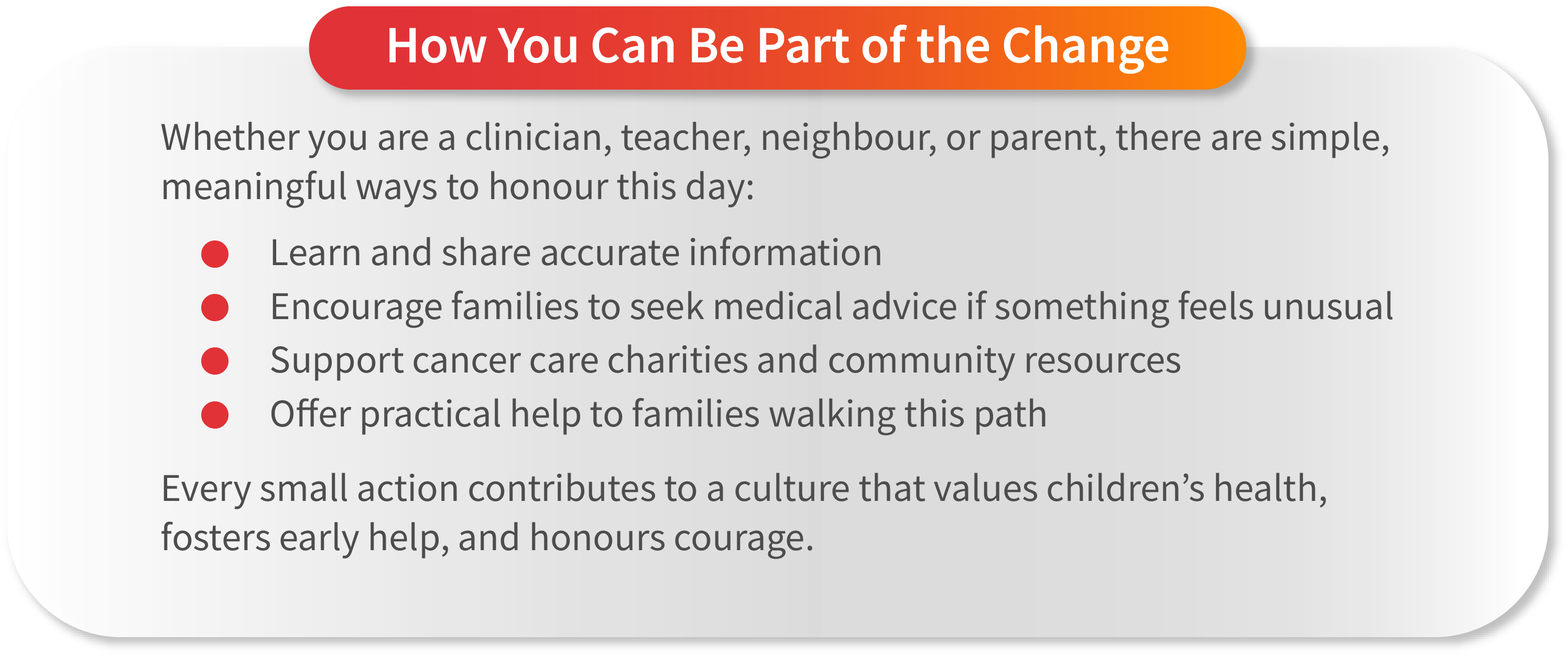
How You Can Be Part of the Change
Star Hospitals Stands with Every Struggling Family
At Star Hospitals, Hyderabad, we strive to provide every child the best possible care. Our Paediatric Oncology team blends clinical expertise with deep empathy. We provide:
-
Comprehensive cancer diagnosis and treatment planning
-
Round-the-clock support from specialists trained in childhood cancers
-
A multidisciplinary approach that includes nutrition, rehabilitation, and emotional support
No family should face childhood cancer alone. We are here to walk this journey with you.
Let this International Childhood Cancer Day be a reminder that hope is never dim when there is knowledge, care, and a community that stands by every little heart fighting bravely.