Understanding Cervical Cancer: A Clear Guide for Women’s Health
 Dr. Santosh Kumar Chellapuram
Table of Contents
- What Is Cervical Cancer?
- What are the key risk factors of cervical cancer?
- What are some symptoms to watch for?
- What are some preventive measures?
- Screening: The Gift of Early Detection
- Living with a Diagnosis: Treatment Options
- STAR Hospitals: Support Through Every Step
Cervical cancer remains one of the most preventable forms of cancer affecting women worldwide. With better awareness, timely screening, and effective care, most cases can be caught early and treated successfully. This matters in Hyderabad as well, where access to good health services can change outcomes for many families.
What Is Cervical Cancer?
This is a cancer that begins in the cervix (lower part of the uterus that opens into the vagina). Like most of the other cancers, it develops slowly over the years. It usually starts with abnormal cell changes that may become cancerous if not detected and treated early.
What are the key risk factors of cervical cancer?
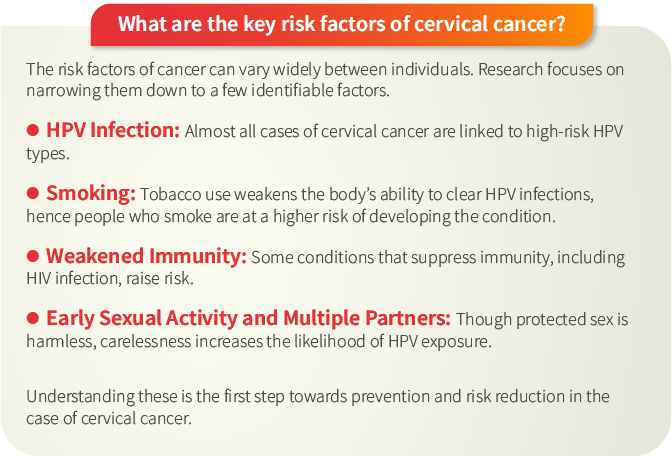
Understanding these is the first step towards prevention and risk reduction in the case of cervical cancer.
What are some symptoms to watch for?
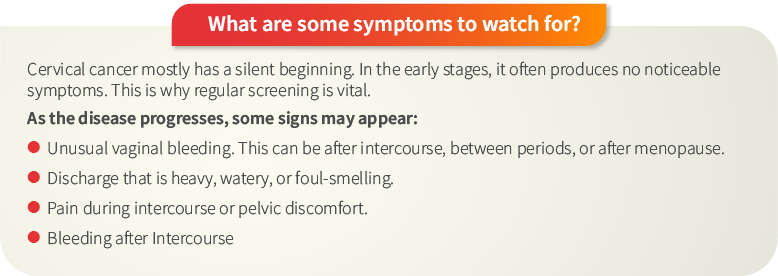
If you notice any of these symptoms, do not hesitate to seek a prompt evaluation by a healthcare provider.
What are some preventive measures?
Given here are some strategies based on evidence that can greatly reduce the risk:
-
HPV Vaccination: This is a preventive injection recommended for girls and boys before HPV exposure. (age group 9 to 26) It can protect against the strains of the virus most likely to cause cervical cancer.
-
Regular Screening: Pap tests (Pap smears) and HPV testing are procedures that can detect precancerous changes before they develop into cancer. It is best to begin screening in early adulthood and continue at recommended intervals.
PAP smear for women 21-29 years- every 3 years, while women 30-36 can opt for HPV/PAP Co-testing every 5 years -
Safe Sexual Practices: Be aware of the protective measures and use them to limit risk exposure.
-
Quit Smoking: Avoiding tobacco supports the body’s defences and is helpful in more than one way to fight against HPV infection.
These preventive steps, combined with awareness, form the backbone of cervical cancer control.
Screening: The Gift of Early Detection
Screening finds abnormal changes before you feel unwell. It’s the reason cancer deaths have fallen in regions with organised programs. A high-performance HPV test or Pap smear every few years is recommended, and early follow-up for abnormal results can prevent progression.
Even if you have been vaccinated, screening remains important because vaccines protect against the most common but not all HPV types.
Living with a Diagnosis: Treatment Options
If cervical cancer is detected, care choices depend on the stage and health context:
-
Surgery: Removing cancerous tissue when the disease is in its early stages.
-
Radiation Therapy: Focused beams target cancer cells.
-
Chemotherapy and Immunotherapy: These may be used alone or with other treatments to control the disease.
Today’s advances mean many women with early-stage cancer can be treated successfully.
STAR Hospitals: Support Through Every Step
At STAR Hospitals, Hyderabad, we make sure that our patients find a comprehensive and compassionate approach to cervical health and cancer care. The hospital’s medical oncology services have timely screening, diagnostic evaluation, and tailored treatment plans as high-priority factors. All of these are led by specialists skilled in modern cancer therapies.
Want help in scheduling your first HPV test? Or looking for guidance on treatment options? STAR Hospitals has got your back. Book an appointment today