Belly Fat vs Overall Obesity: Which Is More Dangerous
 Dr. Sharvani Duba
Table of Contents
- Understanding Body Fat and Why It Matters
- What Is Obesity?
- What Is Belly Fat?
- Subcutaneous Belly Fat
- Visceral Belly Fat
- Why Is Visceral Fat More Dangerous?
- Health Risks Associated with Belly Fat
- Belly Fat vs Obesity: Key Differences
- How to Reduce Belly Fat and Maintain a Healthy Weight
- Comprehensive Weight and Metabolic Health Support at Star Hospitals
As awareness of health and fitness grows, more people are paying attention not only to their weight but also to where fat is stored in the body. While obesity has long been recognised as a major health concern, research shows that abdominal fat—particularly the fat stored deep around internal organs—may pose an even greater threat to health.
This raises an important question: Is belly fat more dangerous than overall obesity?
The answer lies in understanding the different types of body fat and how they affect the body.
Understanding Body Fat and Why It Matters
Fat is an essential component of the human body. It stores energy, helps regulate body temperature, and protects vital organs. However, excess body fat can increase the risk of several chronic diseases. Importantly, not all fat is the same. The location of fat storage plays a significant role in determining health risks.
What Is Obesity?
Obesity is a medical condition in which excess body fat accumulates to a level that can negatively affect health. Body Mass Index (BMI) is commonly used to classify weight status. However, BMI does not reveal where fat is stored in the body. As a result, two individuals with the same BMI may have very different health risks depending on their fat distribution.
What Is Belly Fat?
Everyone has some amount of abdominal fat, even individuals with a flat stomach. A small amount of fat is necessary to cushion and protect internal organs.
There are two main types of belly fat:
Subcutaneous Belly Fat
Subcutaneous fat is located just beneath the skin. It is the soft fat that can be pinched and is responsible for a larger waistline or tighter-fitting clothes. Although excess subcutaneous fat may affect appearance and overall health, it is generally less harmful than visceral fat.
Visceral Belly Fat
Visceral fat is stored deep within the abdomen and surrounds important organs such as the liver, pancreas, intestines, and heart. Unlike subcutaneous fat, visceral fat is metabolically active. It releases inflammatory chemicals and hormones that can interfere with normal body functions and increase the risk of serious diseases.
Why Is Visceral Fat More Dangerous?
Visceral fat is considered particularly harmful because it contributes to:
- Insulin resistance
- Chronic inflammation
- High blood pressure
- Elevated cholesterol and triglyceride levels
- Fatty liver disease
- Hormonal imbalances
Over time, these changes can significantly increase the risk of cardiovascular disease, metabolic disorders, and other serious health conditions.
Health Risks Associated with Belly Fat
Excess visceral fat has been linked to:
- Type 2 diabetes
- High blood pressure
- Heart disease
- Stroke
- Metabolic syndrome
- Fatty liver disease
- Sleep apnea
- Certain cancers, including colorectal and breast cancer
- Reduced life expectancy
Even people with a normal body weight can develop these risks if they have excess abdominal fat.
Health Risks Associated with Overall Obesity
Obesity can affect nearly every organ system and is associated with:
- Type 2 diabetes
- Cardiovascular disease
- Certain cancers
- Osteoarthritis and joint pain
- Reduced mobility
- Respiratory problems
- Sleep disorders
- Mental health concerns
- Increased risk of complications during illness or surgery
The greater the degree of obesity, the higher the overall health risk.
Belly Fat vs Obesity: Key Differences
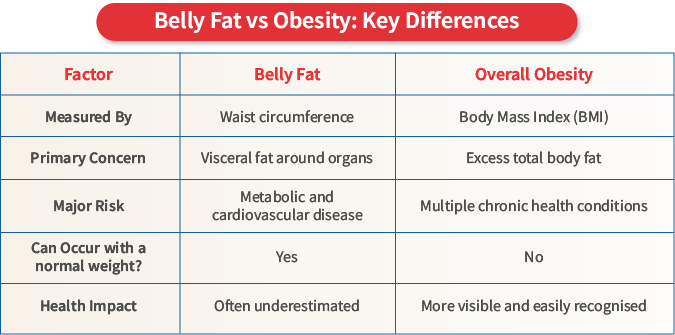
Which Is More Dangerous?
Many experts consider excess belly fat to be a stronger predictor of serious health problems than body weight alone.
A person with a normal BMI but a large waist circumference may have a higher risk of developing diabetes, heart disease, and metabolic disorders than someone who is overweight but has less abdominal fat.
This does not mean obesity should be ignored. Severe obesity remains a major risk factor for numerous chronic diseases and can significantly reduce quality of life.
In reality, both conditions deserve attention. However, when it comes to predicting metabolic and cardiovascular disease, visceral belly fat often poses the greater immediate threat.
How Do You Know If Belly Fat Is a Concern?
Measuring waist circumference is a simple way to assess abdominal fat.
Waist Circumference Guidelines
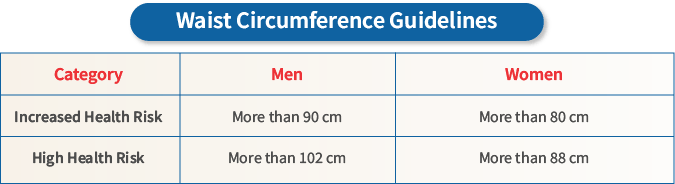
If your waist circumference exceeds these limits, it may be time to seek medical advice and adopt healthier lifestyle habits.
How to Reduce Belly Fat and Maintain a Healthy Weight
The most effective strategies include:
- Following a balanced and nutritious diet
- Limiting processed foods and sugary beverages
- Exercising regularly
- Including strength training in your routine
- Getting adequate sleep
- Managing stress effectively
- Avoiding smoking and excessive alcohol consumption
- Scheduling regular health check-ups
Sustainable lifestyle changes are far more effective than quick-fix weight-loss solutions.
When Should You Seek Medical Advice?
Consult a healthcare professional if you experience:
- Rapid or unexplained weight gain
- Increasing waist circumference
- High blood pressure
- Prediabetes or diabetes
- Elevated cholesterol levels
- A family history of obesity, heart disease, or metabolic disorders
Early intervention can help prevent serious complications and improve long-term health outcomes.
Comprehensive Weight and Metabolic Health Support at Star Hospitals
Managing obesity and abdominal fat requires a personalised approach that addresses nutrition, physical activity, metabolic health, and underlying medical conditions. At Star Hospitals, our multidisciplinary team provides comprehensive evaluation, preventive health screening, nutrition counselling, and expert care for obesity-related conditions such as diabetes, cardiovascular disease, and metabolic disorders.
With advanced diagnostic facilities, experienced specialists, and patient-centred care, Star Hospitals helps individuals take proactive steps towards achieving and maintaining better health