The Hidden Kidney Risks of Skin-Lightening and Brightening Creams
 Dr. Rekha Paladugu
Table of Contents
- The Growing Popularity of Skin-Lightening Products
- What Makes These Creams Dangerous?
- How Skin-Lightening Creams Affect the Kidneys
- Warning Signs You Should Never Ignore
- What Global Studies Reveal
- A Recent Clinical Case
- Beauty Should Never Cost Your Health
- How to Check the Reliability of Skincare Products in India
From “instant glow” creams to “skin brightening” and “fairness” products, cosmetic creams promising lighter, radiant skin have become a part of daily skincare routines for millions of people worldwide. In fact, studies suggest that up to 9 out of 10 people in certain communities use some form of skin-lightening, brightening, or glowing cream regularly, showing how deeply these products are linked to modern beauty trends.
But behind the promise of flawless skin lies a growing health concern that many people are unaware of: some of these creams may contain toxic substances that can seriously harm the kidneys, according to many nephrology specialists.
The Growing Popularity of Skin-Lightening Products
Research shows that the use of skin-lightening products has increased globally across Asia, Africa, Europe, and North America.
Studies have reported usage rates ranging from:
● 27% to 77% in community populations
● Even higher use among young adults and women in urban settings
● Frequent long-term daily application for months or years
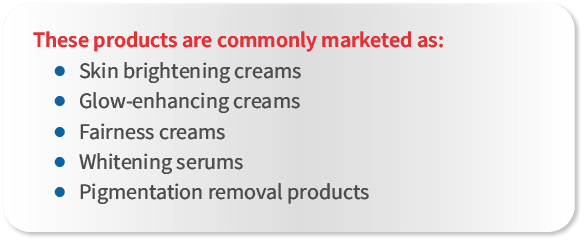
Many consumers believe these are safe cosmetic products, but some unregulated creams may contain harmful chemicals and heavy metals.
What Makes These Creams Dangerous?
Some skin-lightening products contain substances such as:
-
Mercury
-
Hydroquinone
-
Lead
-
Arsenic
-
Steroids
Among these, mercury is one of the most harmful ingredients. Mercury works by suppressing melanin production, making the skin appear lighter. However, repeated application allows mercury to enter the bloodstream through the skin. Over time, mercury accumulates in the body and can damage:
-
Kidneys
-
Nervous system
-
Liver
-
Skin
-
Eyes
How Skin-Lightening Creams Affect the Kidneys
The kidneys filter toxins from the blood, making them highly vulnerable to heavy metal exposure.
Medical research has linked prolonged mercury exposure from cosmetic creams to serious kidney conditions, such as:
-
Proteinuria (protein leakage in urine)
-
Nephrotic syndrome
-
Membranous nephropathy
-
Minimal change disease
-
Chronic kidney injury
Many affected individuals initially appear healthy before developing symptoms.
Warning Signs You Should Never Ignore
Kidney damage caused by mercury exposure can develop silently. Because these symptoms are nonspecific, people rarely connect them to cosmetic products.

What Global Studies Reveal
Medical studies from India, China, Hong Kong, and other countries have documented multiple cases of kidney disease associated with skin-lightening products.
Researchers found that:
- Some creams contained mercury levels far above safe limits
- Membranous nephropathy and minimal change disease were the most common kidney disorders linked to these products
- Many patients improved after discontinuing the creams
- Early diagnosis significantly improved recovery outcomes
A Recent Clinical Case
A young woman with no prior medical illness presented with leg swelling and was diagnosed with nephrotic syndrome with 6 g/day proteinuria. Kidney biopsy showed membranous nephropathy with NELL 1 positivity, a finding associated with heavy metal exposure.
Further history revealed prolonged use of face-lightening creams. Blood testing confirmed high mercury levels.
The patient was advised to stop all cosmetic creams and was treated conservatively for proteinuria and oedema. At the three-month follow-up, mercury levels showed a downward trend, and urinary protein loss improved significantly.
This case highlights how prolonged use of unregulated skin-lightening products can result in mercury toxicity and kidney disease.
Beauty Should Never Cost Your Health
The pressure to achieve lighter or glowing skin continues to drive the popularity of these products. However, the hidden health risks often remain ignored.
Consumers should be cautious about using unregulated cosmetic products, especially those without clear ingredient labelling.
Before using any skin-lightening or brightening cream:
- Check the active ingredients and concentrations carefully
- Avoid products with unknown formulations
- Consult a dermatologist
- Stop use immediately if unusual symptoms develop
How to Check the Reliability of Skincare Products in India
Check for CDSCO registration/licence details on the pack.
CDSCO
Be cautious with creams claiming:
○ “Instant whitening”
○ “Permanent fairness”
Check ingredients. Avoid:
○ Mercury
○ Steroids
○ High hydroquinone
Buy only from trusted pharmacies or official websites.
Verify ingredients on:
Skin-lightening and brightening creams may promise beauty benefits, but prolonged use of products containing mercury can lead to serious kidney damage. Awareness, regulation, and informed skincare choices are essential to protect long-term health. Because healthy skin should never come at the cost of healthy kidneys.
By Dr. Rekha Paladugu
Senior Consultant – Nephrology & Kidney Transplant Physician
STAR Hospitals, Nanakramguda