Cholesterol: Good, Bad, and the Balance Your Body Needs
 Dr. Srujana T
Table of Contents
- What is Cholesterol and Why is it Necessary to the Body?
- The "Good" vs the "Bad" Cholesterol
- When Does Cholesterol Turn from Useful to Harmful?
- Why Cholesterol Levels Rise?
- How to Keep Cholesterol in Check?
- The Right Way to Monitor Cholesterol
- A Matter of Balance
Cholesterol has become one of those medical terms people hear often but rarely take the time to understand. For many, it simply means something dangerous that must be lowered. The truth is more nuanced. Cholesterol is not only normal but also necessary. The problem begins when the balance in the bloodstream shifts in the wrong direction.
Cardiologists frequently remind patients that the body cannot function without cholesterol. Yet too much of the wrong type can quietly damage blood vessels for years before any symptoms appear.
What is Cholesterol and Why is it Necessary to the Body?
Cholesterol is a wax-like lipid found in every cell. Much of it is produced naturally by the liver, while a smaller portion comes from foods such as meat, eggs, and dairy products.
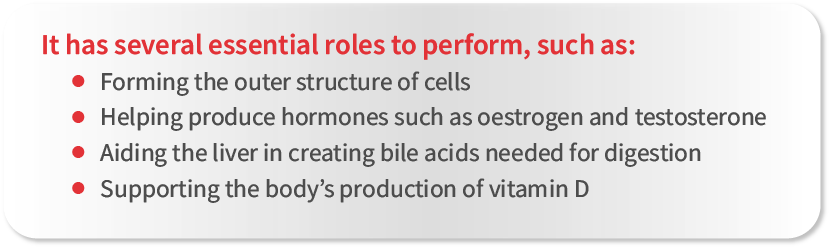
Most cholesterol is produced naturally by the liver (about 80 per cent) while the remainder comes from food sources such as meat, dairy, and other animal products.
Because cholesterol cannot dissolve directly in blood, it travels through the bloodstream attached to proteins called lipoproteins.
The “Good” vs the “Bad” Cholesterol
It is the lipoprotein carriers that people usually refer to as “good” and “bad” cholesterol.
LDL (Low-Density Lipoprotein)
LDL carries cholesterol from the liver to different tissues in the body. When present in excess, it leaves deposits along the inner walls of arteries. Over time, these deposits form fatty plaques that narrow the blood vessels and restrict circulation.
This is why LDL is commonly called "bad" cholesterol.
HDL (High-Density Lipoprotein)
HDL performs almost the opposite role. It collects excess cholesterol from the bloodstream and carries it back to the liver, where it can be processed and removed from the body.
This clean-up function is why HDL is known as good cholesterol. Higher levels generally provide some protection against heart disease.
When Does Cholesterol Turn from Useful to Harmful?
Problems arise when LDL levels rise too high or HDL levels fall too low. This means a shift in the balance, and cholesterol begins to accumulate in artery walls.
Gradually, through a process called Atherosclerosis, plaques develop inside the blood vessels. These plaques harden and narrow the arteries, making it more difficult for blood to flow freely.
This is a silent process with almost no noticeable symptoms initially. But over many years, it has led to:
-
Coronary Artery Disease
-
Heart Attack
-
Stroke
-
Peripheral Artery Disease
Why Cholesterol Levels Rise?
Several factors influence cholesterol levels, and they also overlap. Diet plays an obvious role. Foods high in saturated fats and trans fats can increase LDL levels. A sedentary lifestyle has a similar effect, since physical activity helps maintain healthier blood lipid levels.
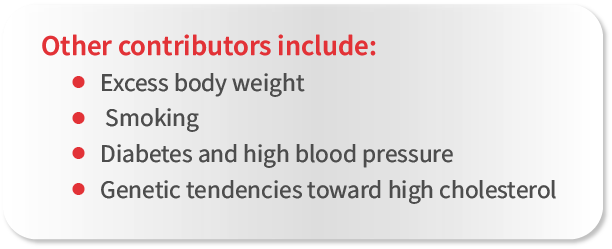
Age also plays a role. As people grow older, cholesterol metabolism in the body tends to change.
How to Keep Cholesterol in Check?
Cholesterol levels respond well to steady lifestyle changes, which should encourage everyone who struggles with the condition.
-
A diet that includes a lot of vegetables, fruits, whole grains, and fibre-rich foods helps limit LDL buildup.
-
Healthy fats, such as those found in nuts, seeds, and fish, support better lipid balance
-
Regular movement is equally important. Activities such as brisk walking, cycling, or swimming help raise HDL levels while lowering LDL.
-
Maintain a healthy weight.
-
Avoiding tobacco further reduces strain on the arteries.
But remember, lifestyle measures are only one part of prevention. Periodic screening through a simple lipid profile blood test remains the most reliable way to understand one’s cholesterol status.
The Right Way to Monitor Cholesterol
Cardiologists say that cholesterol management works best when problems are identified early - People with diabetes, hypertension, or a family history of heart disease benefit from regular monitoring.
At STAR Hospitals, preventive cardiology programmes focus on early detection, lifestyle guidance, and personalised treatment plans when needed. With modern diagnostic tools and specialist care, patients can track cardiovascular risk factors long before they lead to serious disease.
A Matter of Balance
Cholesterol is neither entirely good nor entirely bad. It is a natural component of the body, performing essential functions for life. The real challenge lies in maintaining balance and ensuring that the protective mechanisms outweigh the harmful ones.
Through informed choices, regular check-ups, and timely medical advice, that balance can usually be maintained. When managed well, cholesterol becomes less of a threat and more of a reminder of how carefully the body’s systems must be kept in harmony.