Beyond Weight Loss: Health Conditions That May Improve After Bariatric Surgery
 Dr. Lakshmikanth Tippirneni
Table of Contents
- The Obesity Problem
- How is Obesity Recognised
- What is Bariatric Surgery
- Types of Bariatric Surgery
- Benefits of Bariatric Surgery
- Post-Surgery Care
It is generally believed that gaining weight is much easier than losing it. Almost all of us have at least one family member or a close friend who follows a strict diet to lose weight but remains unsuccessful. Some people may lose a few kilos, but are unable to maintain the weight loss.
The Obesity Problem
Globally, around 13% of the adult population is affected by obesity. Obesity is a medical condition in which excess body fat increases the risk of major health problems. It places additional strain on the body and is associated with severe health conditions such as
-
Diabetes
-
High blood pressure
-
Joint pain
-
Breathing disorders
-
Fatty liver disease
-
Certain cancers
Obesity can also affect mental health, contributing to low self-esteem, anxiety, and depression, and may reduce overall quality of life and life expectancy.
How is Obesity Recognised
How does one recognise obesity? Obesity is commonly assessed using Body Mass Index (BMI). A BMI of 30 or higher is classified as obese. This assessment should be done by a qualified medical practitioner.
Body Mass Index (BMI): Calculated using height and weight
BMI 18.5–24.9: Normal
BMI 25–29.9: Overweight
BMI 30 or above: Obese
Waist circumference: Excess fat around the waist increases health risk
Men: >102 cm (40 inches)
Women: >88 cm (35 inches)
Waist-to-hip ratio: Compares waist size to hip size; higher ratios indicate more abdominal fat
Body fat percentage: Measured using specialised tools such as bioimpedance analysis or DEXA scans
Along with a structured diet and exercise, if a person is unable to achieve or sustain weight loss, medical intervention may be required. One such intervention is bariatric surgery.
What is Bariatric Surgery
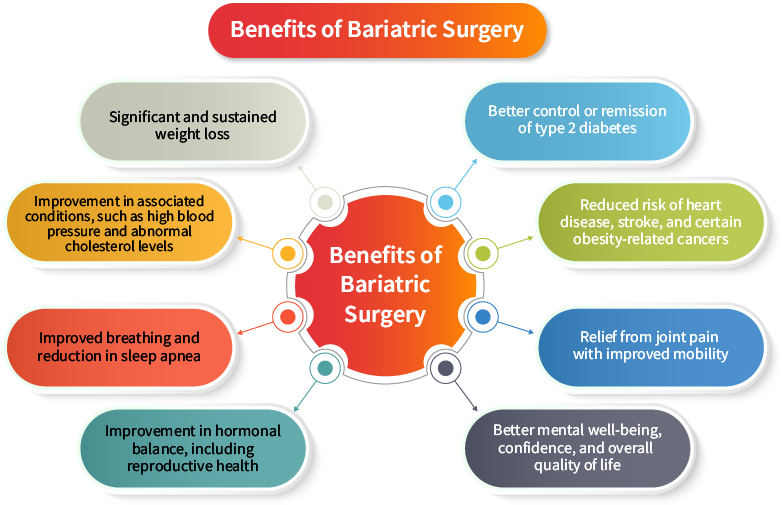
Bariatric surgery is a medical procedure used in the management of severe obesity. It works by reducing the functional size of the stomach, helping a person eat less and feel full sooner. In many patients, it also leads to improvement in obesity-related conditions such as type 2 diabetes, high blood pressure, and sleep apnea. It is a metabolic procedure with established health benefits beyond weight reduction.
Types of Bariatric Surgery
-
Sleeve Gastrectomy: A large portion of the stomach is removed, leaving a sleeve-shaped stomach. This limits food intake and reduces appetite.
-
Gastric Bypass: A small stomach pouch is created and connected directly to the small intestine, reducing food intake and calorie absorption.
-
Adjustable Gastric Band (Lap Band): An adjustable band is placed around the upper stomach to create a small pouch, limiting the amount of food the stomach can hold.
-
Mini Gastric Bypass / One-Anastomosis Gastric Bypass: A simplified form of gastric bypass that reduces stomach size and calorie absorption.
Bariatric surgery is usually performed using minimally invasive laparoscopic techniques and requires long-term lifestyle changes and regular medical follow-up for sustained results.
Benefits of Bariatric Surgery
Post-Surgery Care
Many people report improved physical and mental well-being after bariatric surgery. Some patients may require fewer medications and can return to daily activities with increased energy. Long-term success depends on healthy eating habits, regular physical activity, and consistent follow-up with the healthcare team. Maintaining these lifestyle changes is essential to support the benefits of surgery.
If you are living with obesity and struggling to lose weight, STAR Hospitals Hyderabad is your best option to manage the situation with expert help. Our cross-speciality consultation ensures coordinated treatment, with structured and evidence-based care plans for a wide range of conditions, including obesity. Call 1800-102-7827 to know more or book an appointment.