When a Young Transplant Patient’s Lungs Began to Fail - What Happened Next
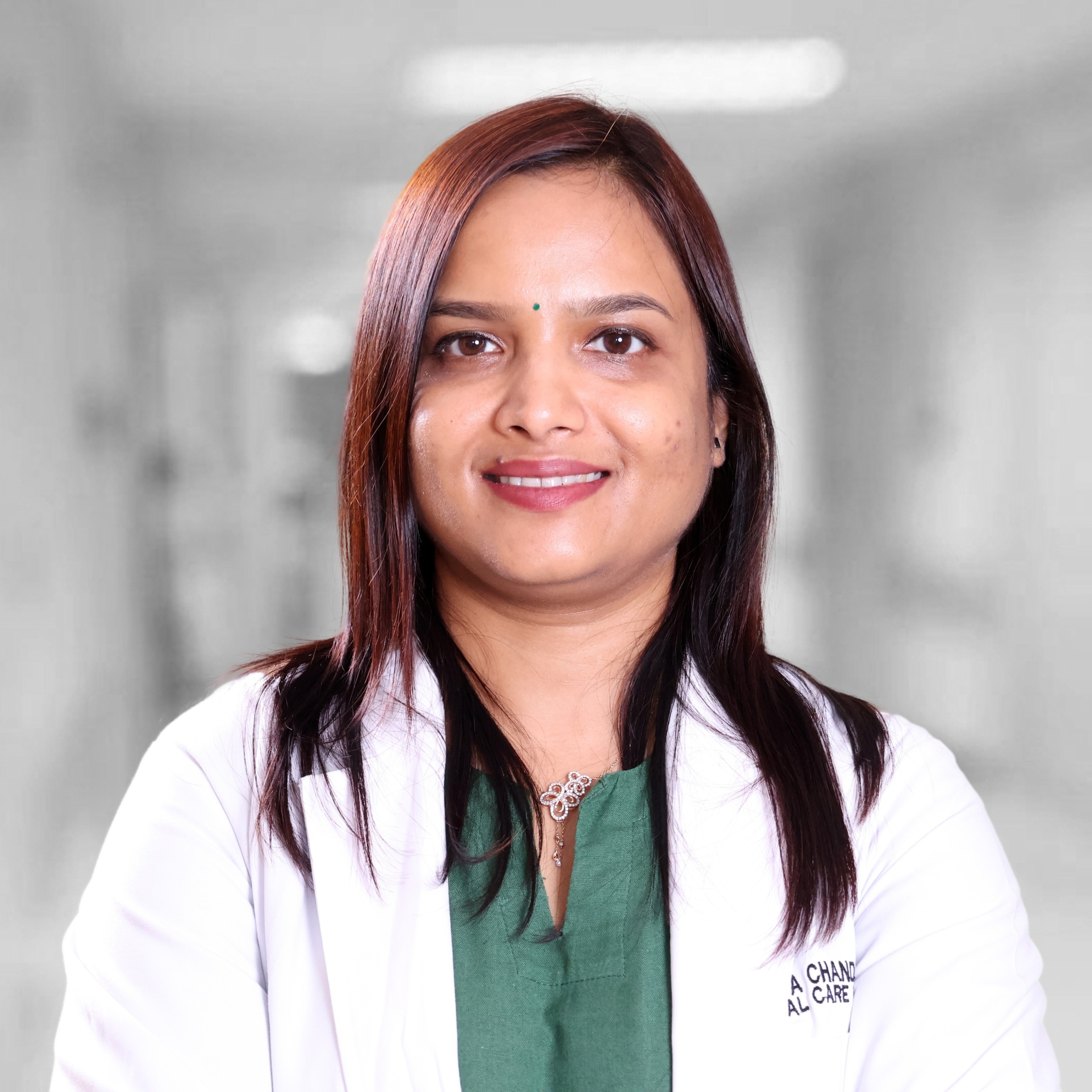 Dr. Shweta Ram Chandankhede
“When a Young Transplant Patient’s Lungs Began to Fail - What Happened Next”
A Real Patient’s Case Discussion with Dr. Shweta Ram Chandankhede Senior Consultant &Incharge (HOD) – Critical Care Medicine at STAR Hospitals Nanakramguda
Early February brought to STAR Hospitals a 34-year-old young man whose medical journey had already been complex. A live donor kidney transplant recipient, he had battled multiple post-transplant complications over the past year. What followed was not just another ICU admission - but a powerful reminder of how early diagnosis, vigilance, and coordinated critical care can change outcomes.
We spoke with Dr. Shweta Ram Chandankhede, Critical Care Specialist at STAR Hospitals, to understand the medical challenges and teamwork behind this life-saving effort.
Q: When this patient arrived, what were your immediate concerns?
He presented with left-sided chest pain and breathlessness, and he was hypoxic on room air. In any patient, bilateral pneumonia is serious - but in an immunocompromised transplant recipient, it demands a completely different level of urgency. For us, this was never “just pneumonia.” We had to think broadly - bacterial, fungal, viral causes, and even structural complications.
Q: What made this case particularly complex?
Several factors made this challenging. He had a history of abdominal wound complications, ileocutaneous fistula, laparotomy, incisional hernia, and small bowel obstruction. When imaging showed bilateral pneumonia with lung collapse, and BAL suggested a possible tracheoesophageal fistula, we were managing multiple possibilities simultaneously.
An urgent upper GI endoscopy later revealed diffuse esophageal candidiasis, indicating significant immunosuppression. By evening, his oxygen requirement rapidly escalated, and we transferred him to the ICU.
Q: What interventions were initiated in the ICU?
The first step was immediate escalation of broad-spectrum antibiotics along with antifungal and antiviral coverage. Despite aggressive therapy, his oxygenation worsened, and he required intubation and mechanical ventilation.
At the same time, his abdominal distension increased. Repeat imaging showed progression of pneumonia and persistent small bowel obstruction. Repeat bronchoscopy revealed purulent secretions, confirming ongoing infection.
His oxygen levels remained critically low, so we initiated prone ventilation for 16 hours daily.
Q: Prone ventilation can be difficult. What challenges did you face?
Proning is highly effective in severe ARDS, but in this case, it was particularly challenging because of his abdominal distension, small bowel obstruction, and prior abdominal surgeries.
It required meticulous coordination between intensivists, nurses, respiratory therapists, and support staff. Every turn had to be carefully executed to avoid complications. Despite the complexity, we safely completed multiple proning sessions.
After 4–5 sessions, we began to see gradual improvement in oxygenation.
Q: Beyond respiratory management, what other issues had to be addressed?
Critical care is never about one organ system. We were managing several parallel challenges:
- His immunocompromised state increased the risk of multidrug-resistant and fungal infections.
- Because of bowel obstruction, we could not initiate enteral feeding, so we started Total Parenteral Nutrition (TPN).
- He experienced episodes of hypertensive crisis, which required intravenous antihypertensive management.
- As a kidney transplant recipient, contrast imaging posed risks, so renal protection strategies were strictly implemented.
Importantly, he did not require dialysis, and his graft function was preserved throughout.
Q: What does this case represent for you as a critical care specialist?
This case reinforces that critical care success is rarely about a single dramatic intervention. It is about early recognition, timely ICU transfer, rapid escalation of appropriate therapies, nutritional optimization, organ protection strategies, and constant reassessment.
It is about teamwork. Thousands of micro-decisions made every hour. Continuous vigilance.
He survived because early diagnosis was matched with sustained, multidisciplinary critical care.
Q: "How did the clinical team at STAR ICU manage the complex recovery of this immunocompromised patient, and what were the key indicators that the treatment plan was succeeding?"
In the STAR Hospitals ICU, we believe recovery isn't just about machines and numbers; it’s about watching how a patient changes hour by hour. For this patient, our strategy shifted from simple treatment to continuous, proactive adjustment based on evolving trends.
To ensure his recovery, we focused on four critical areas:
- Respiratory Progress: Following prone ventilation, we meticulously tracked his oxygen levels and ventilator support. This constant fine-tuning allowed us to gradually and safely reduce his oxygen requirements as his lungs improved.
- Vigilant Infection Control: Because he was immunocompromised, we couldn't afford to wait for symptoms. We stayed ahead of complications by constantly monitoring infection markers and culture reports.
- Diagnostic Confirmation: We looked for concrete proof that our interventions were working. A repeat bronchoscopy showed cleaner airways, and a follow-up endoscopy confirmed his fungal infection was clearing—both were vital signs that we were on the right track.
- Organ Protection: Safeguarding his transplanted kidney was a top priority. We monitored his kidney function, urine output, and blood tests with extreme care to prevent any secondary setbacks.
Ultimately, it was this combination of constant monitoring and early action at every step that facilitated his recovery. We don't just treat the data; we treat the patient’s journey.
“At STAR Hospitals, critical care is not only about advanced technology - it is about coordinated expertise, precision, and relentless commitment to patient recovery.
This young man walked out of the ICU because medicine, timing, and teamwork came together at the right moment.” – Dr. Shweta Ram Chandankhede